Navka Show: Staging a Silent-Film World
An investigation of 1916 silent-cinema staging: locked cameras, 4:3 framing, expressive action and physical continuity between sets, costumes, props and performers.
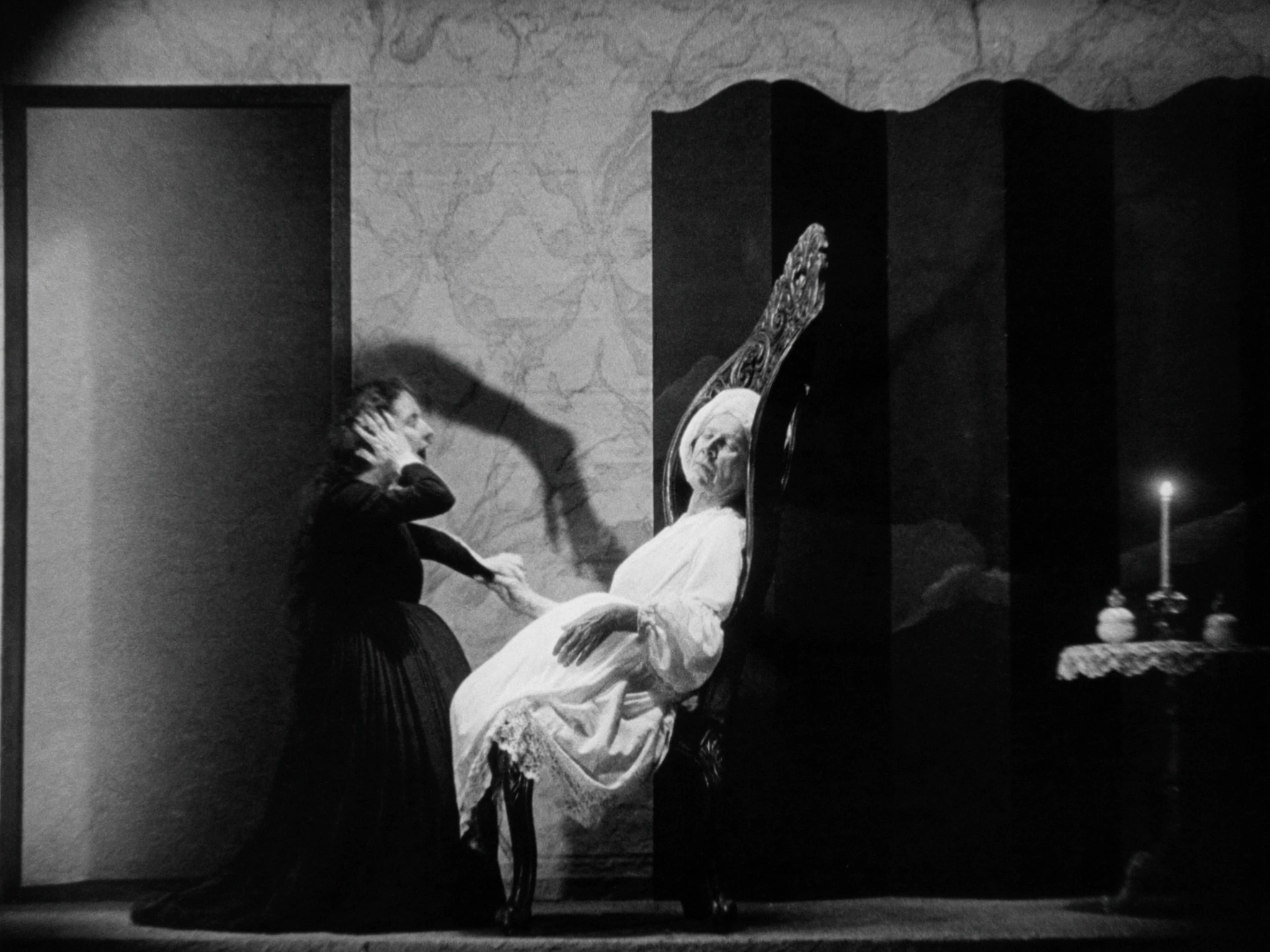
A period style is a production system
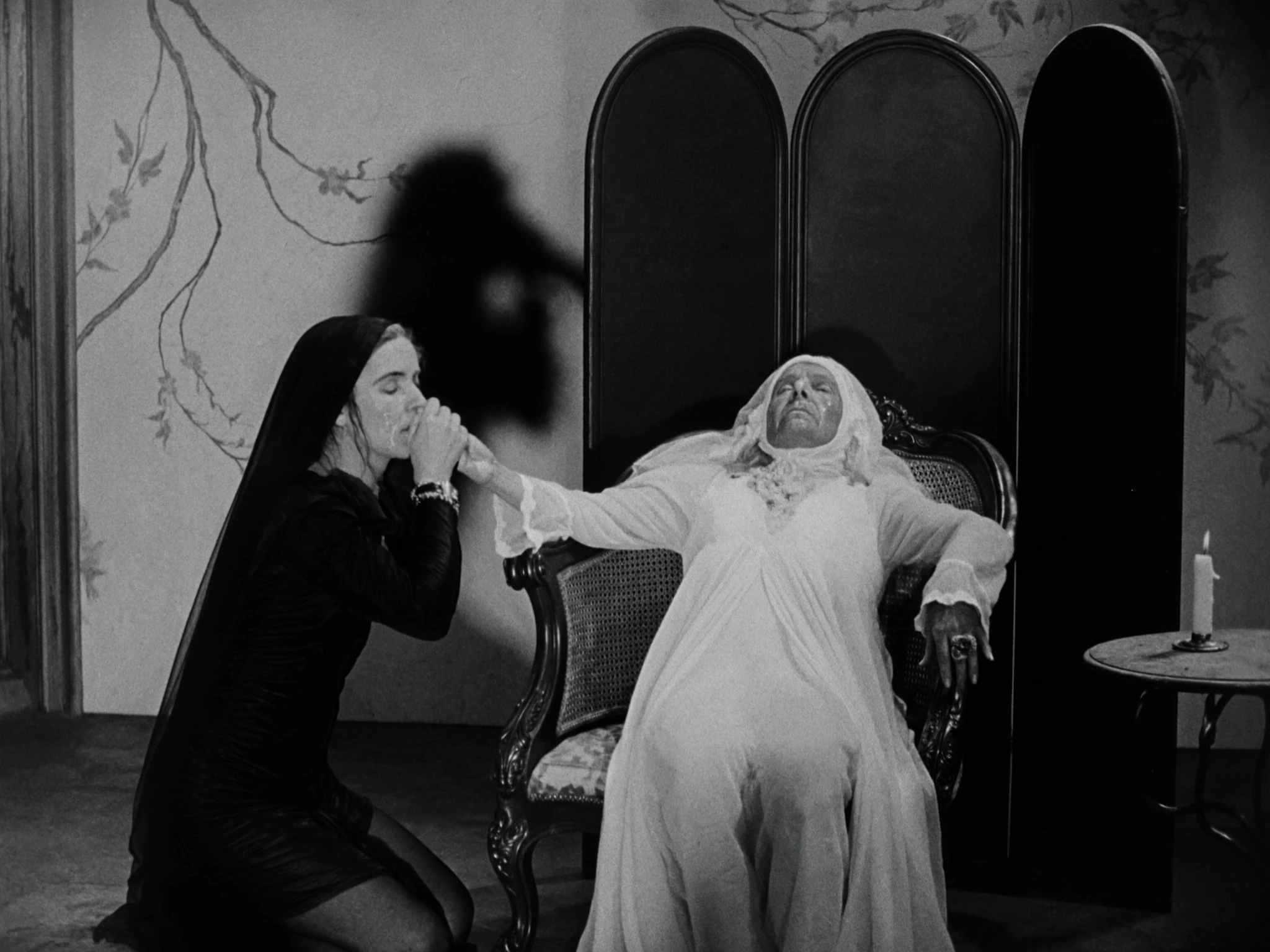
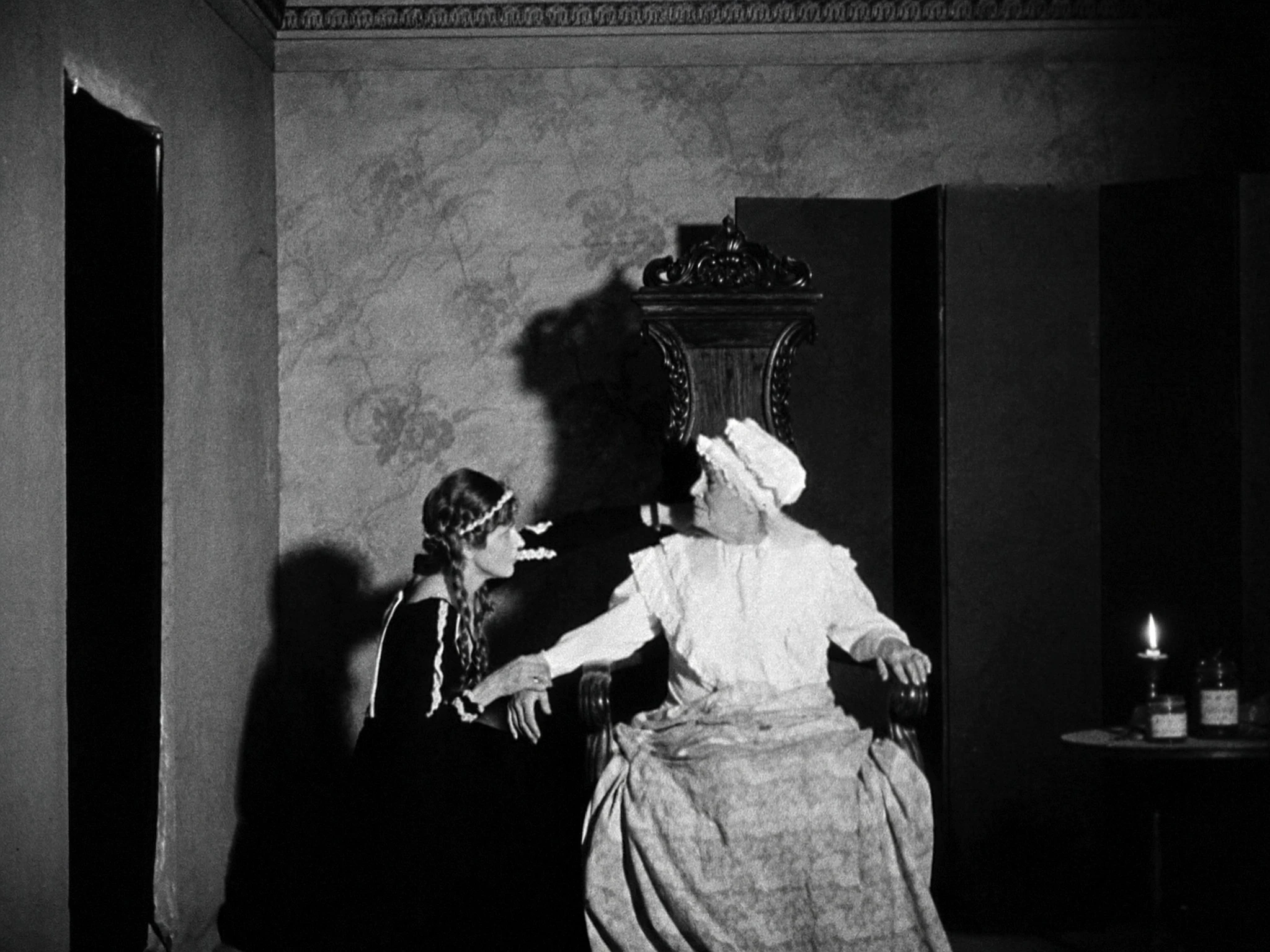
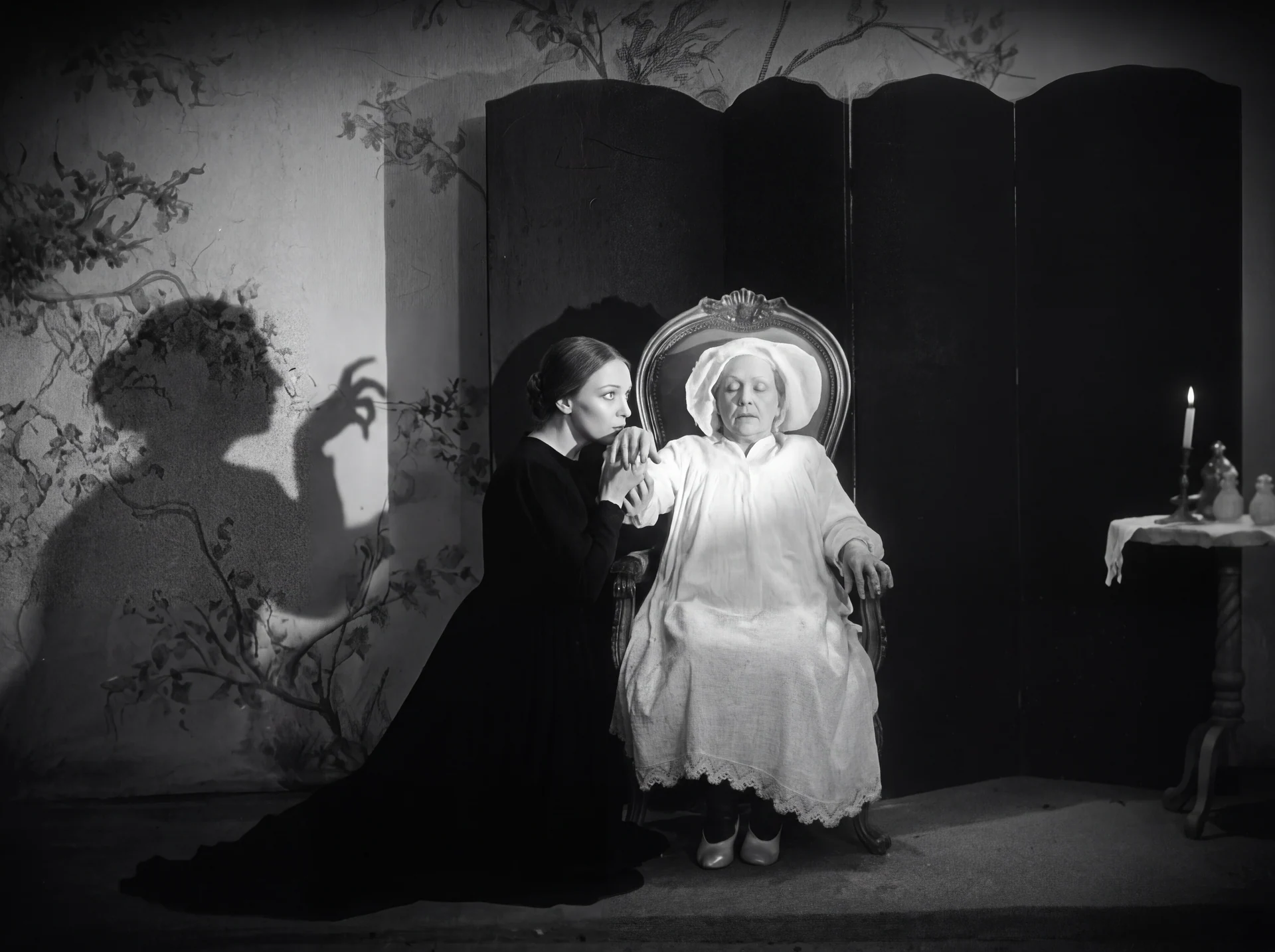
The visual reference to Protazanov's 1916 film established 4:3 framing, hard cuts, fixed camera positions, soft optics and controlled monochrome. Painted backdrops, miniatures and shallow theatrical sets mattered as much as grain or contrast.
Gesture must move through weight
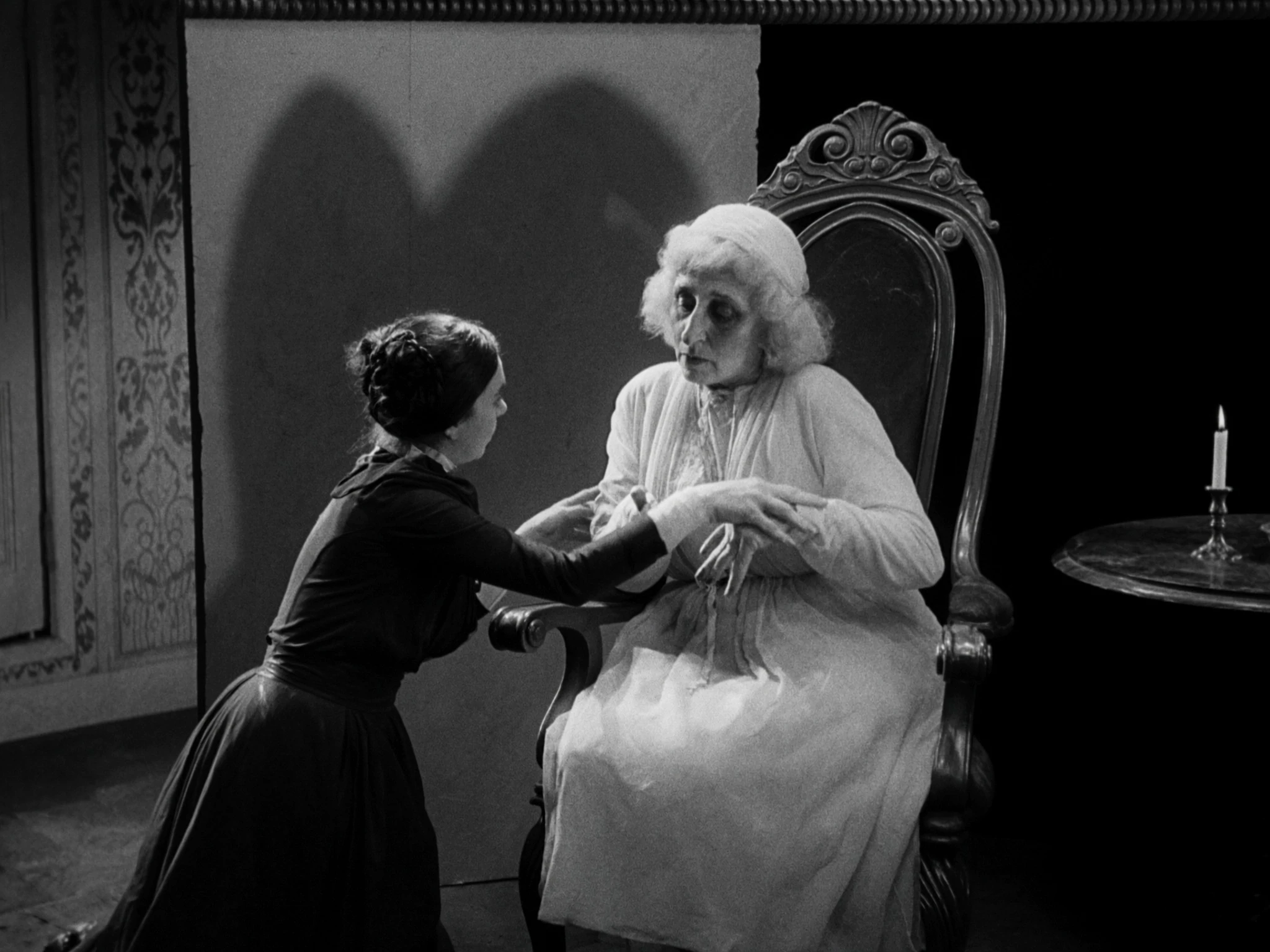
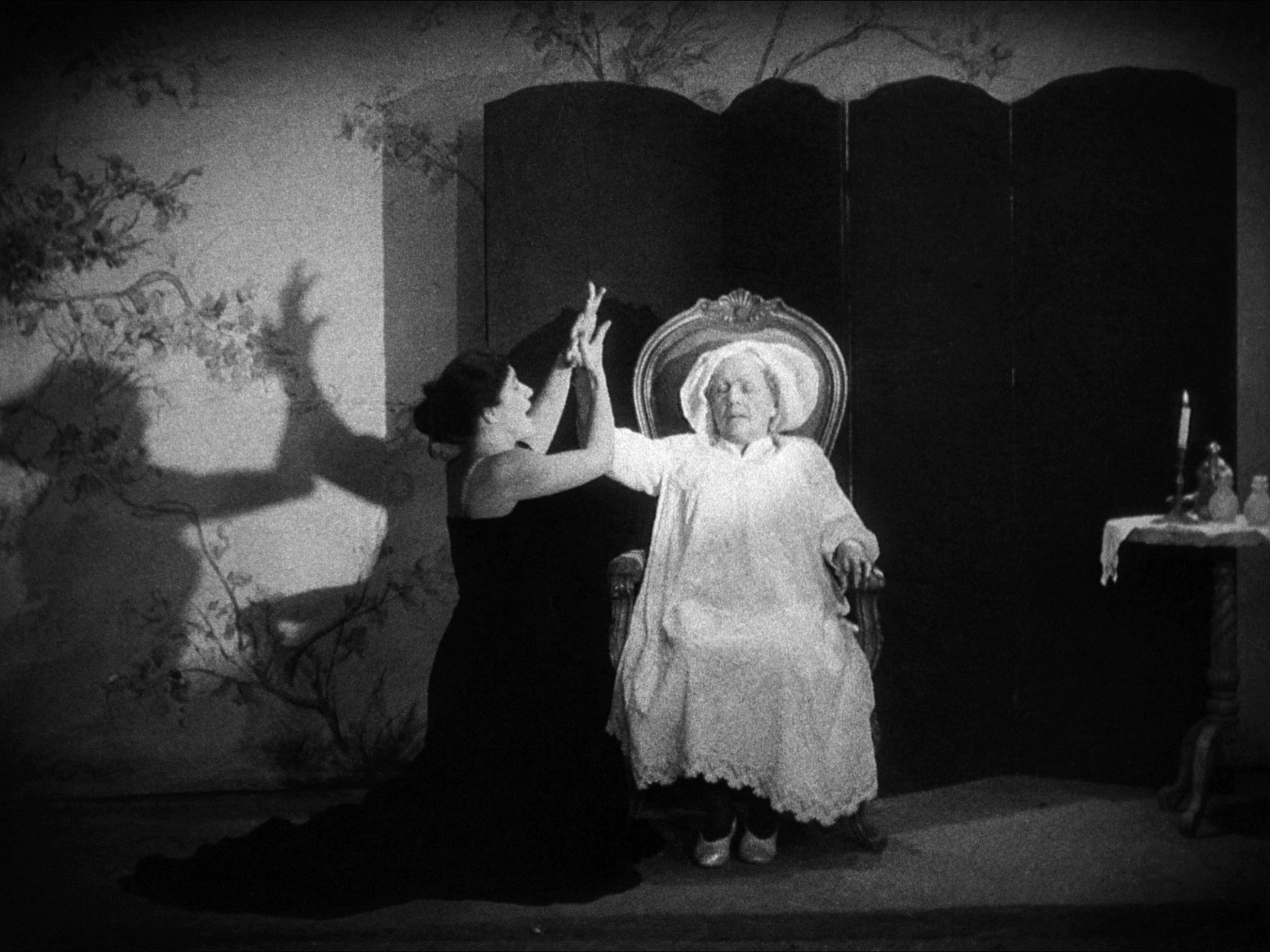
The Countess' unresponsive hand can move through Liza's support and gravity, never as an independent gesture. Doors stop at their hinges, snow moves on contact, and skirt inertia follows the performer. Period expression depends on physical action.
Continuity has its own reference hierarchy
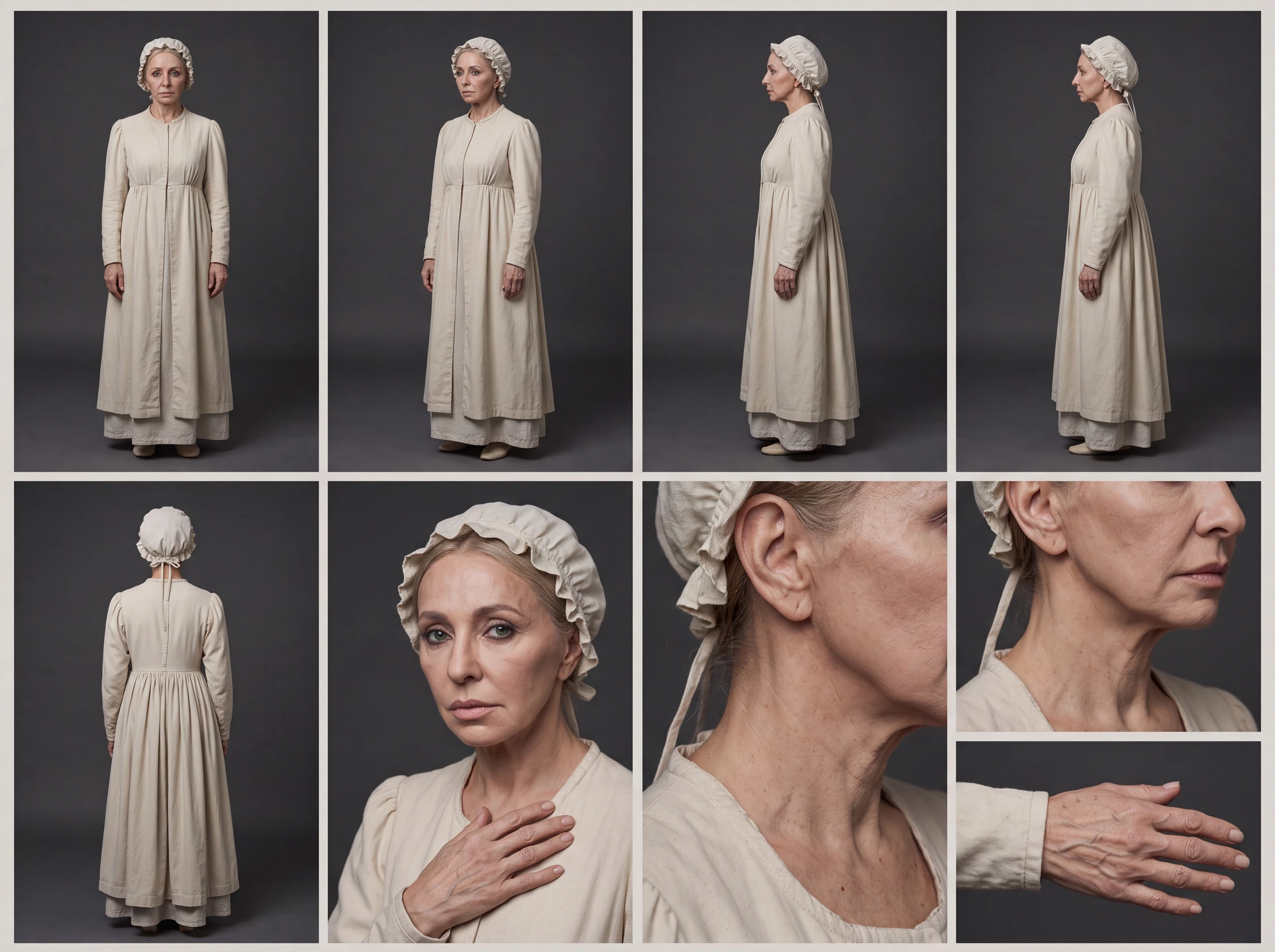
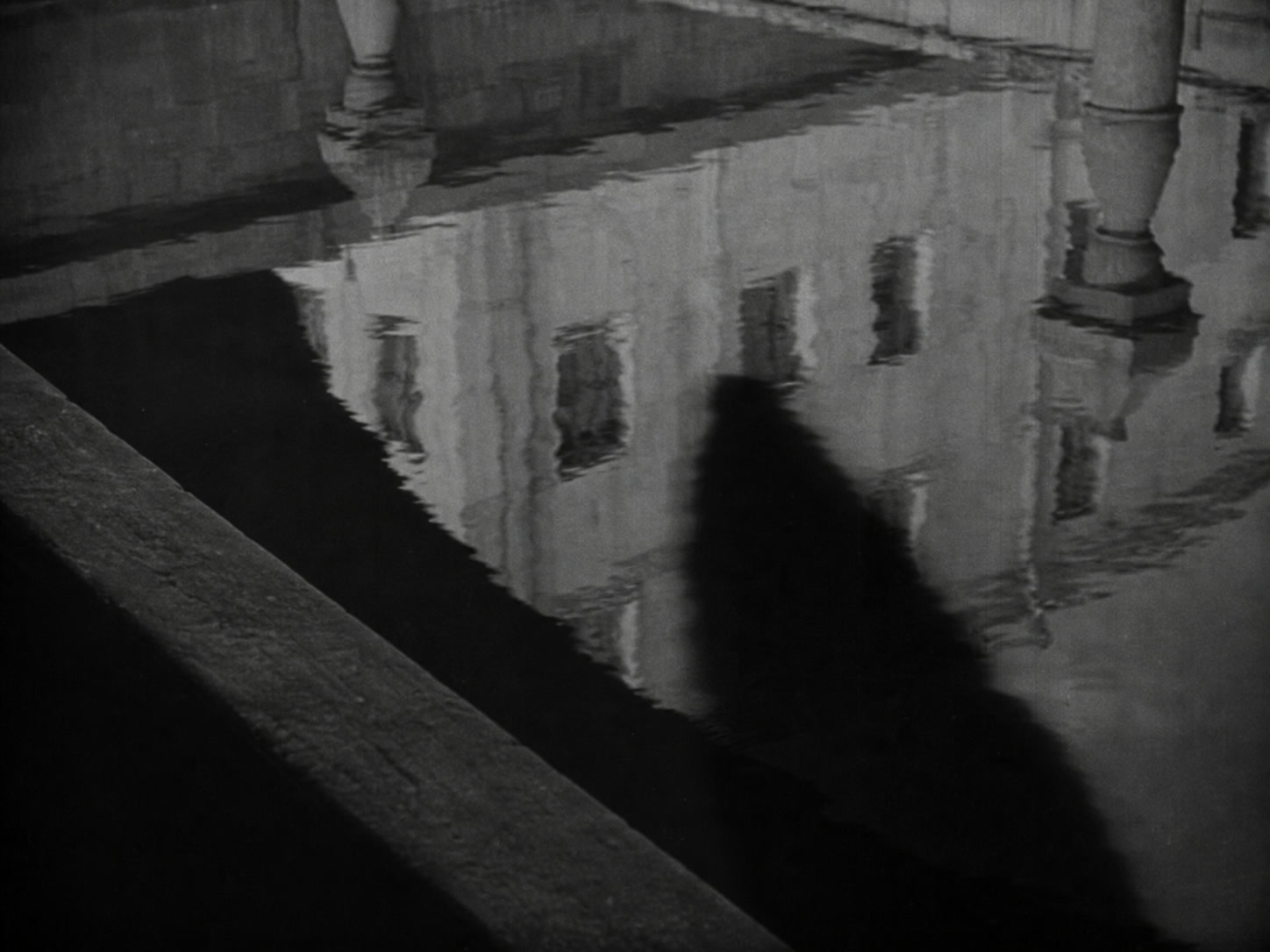
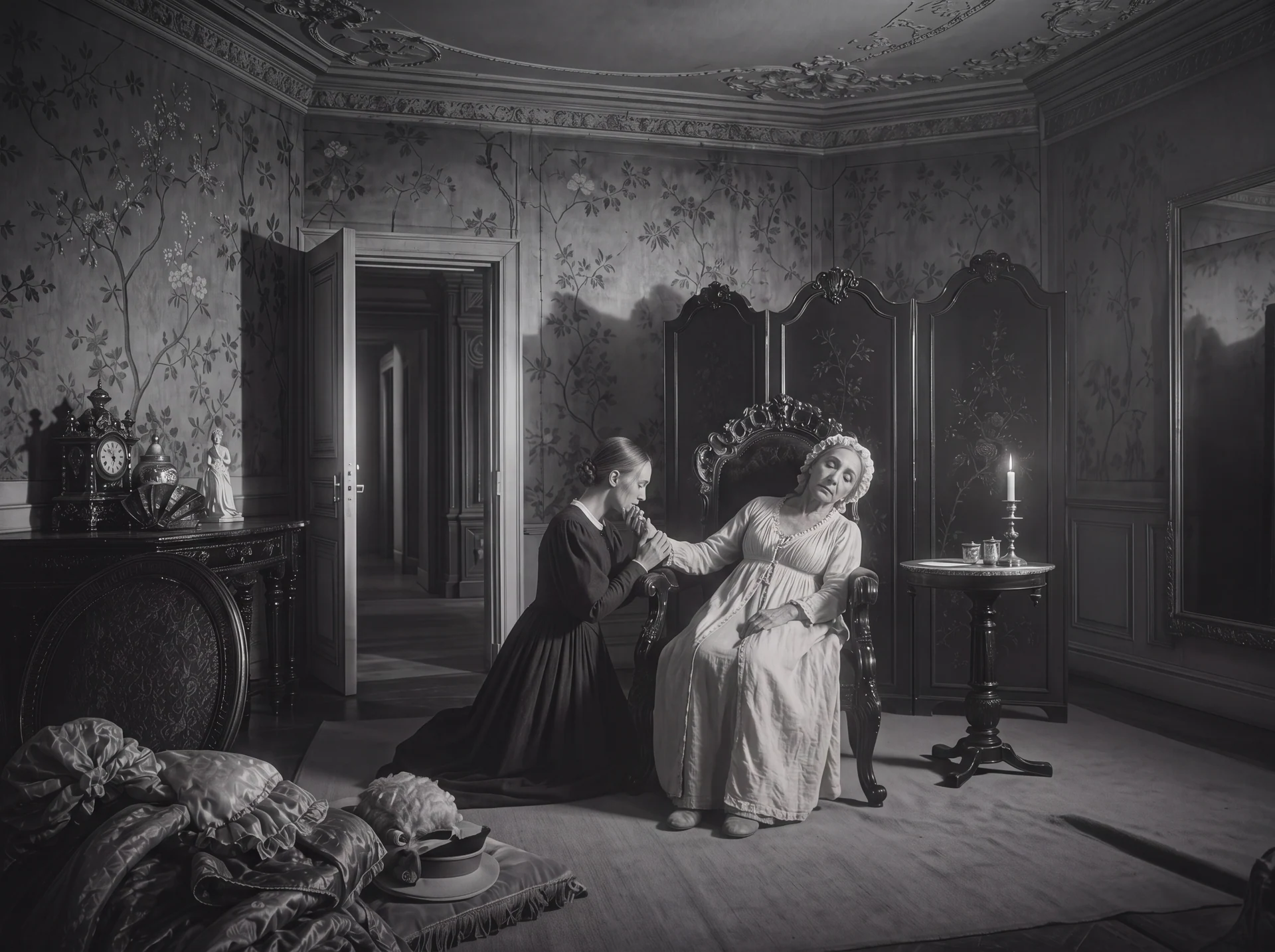
Portrait sheets guide identity; a required scene frame owns costume and geography. Sleeve details, hands, five-finger silhouettes, shadows and reflections are checked separately. Research drawings must not be mistaken for documentary proof of fabricated historical props.
What the published material proves
The public page contains a 29-second motion excerpt and development variants. This is a show-video visual approach, not the entirety of the live performance and not a historical-film restoration.
Frames and studies
Images sourced directly from the published studio page; see the original for accurate distinctions between released work, testing and research. This visual index grants no additional third-party reuse rights.
Bring a shot, not a generic request.
objekts is a boutique visual-production studio combining authored direction, shooting, VFX, animation and carefully controlled generative methods. Show us the frame, brief or visual constraint; we can define a production approach and a credible review plan.
salute@objekts.ai · objekts.ai · Original case and credits ↗